




The Social Protection Fund (SPF) is strengthening its customer-centred approach by engaging beneficiaries directly, using their feedback to improve services and expanding digital and field-based channels to make social protection more accessible across Oman.
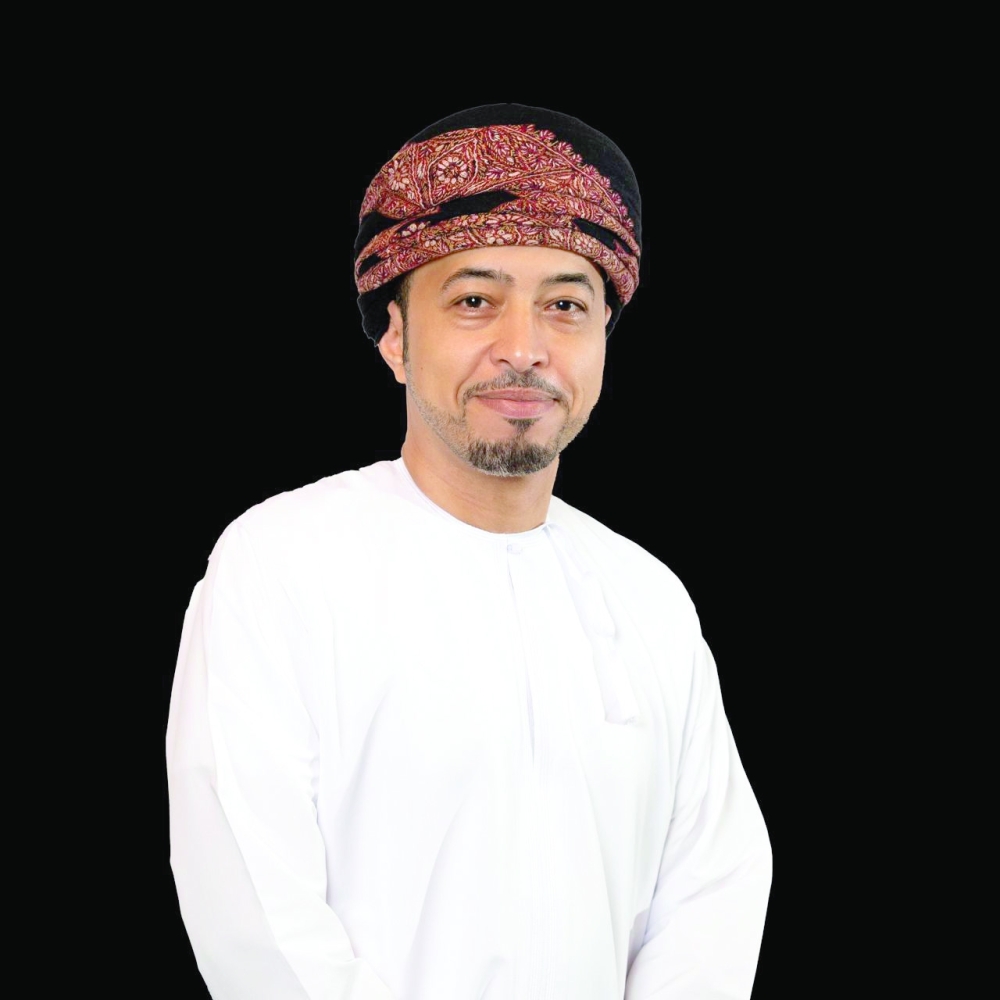
Speaking on the sidelines of the Customer Forum 2026, Hashem bin Mohammed al Hashmi, Director-General of Customer Services at the SPF, said the forum provides a platform for dialogue with beneficiaries, partners and community groups, enabling the Fund to identify needs, address challenges and translate suggestions into practical improvements.
“The customer is not simply the recipient of a service, but a partner in its development,” Al Hashmi said, emphasising that service quality must be assessed not only through operational indicators but also through beneficiaries’ actual experiences.
Organised through the Fund’s service departments across the governorates, the forum reflects an institutional commitment to listening to beneficiaries, measuring satisfaction and continuously improving service delivery.
Al Hashmi said the forum had evolved beyond periodic consultation into a mechanism for identifying service gaps and monitoring improvements.
Participation has increased significantly, with attendance rising from 233 in 2024 to 452 in 2025, an increase of 94 per cent. Survey responses also grew from 78 to 103, representing a rise of 32.1 per cent.
Feedback has also translated into tangible changes. Of the proposals tracked from the 2024 and 2025 forums, 15 were implemented, representing 78.9 per cent of the total. Three proposals were raised again, while one remained under consideration.
The measures covered direct communication, automated response systems, customer satisfaction monitoring, social media awareness, call centre improvements, online services and simplified guidance materials.
“These results demonstrate that participation must lead to action,” Al Hashmi said, noting that feedback is assessed, prioritised and incorporated into service development where appropriate.
The SPF’s customer-centred approach rests on three interconnected elements: the customer, the service and the service provider. The objective is to understand not only what services beneficiaries need, but also how they prefer to access them, which procedures cause difficulties and what changes could make the process simpler and more efficient.
This approach supports the Fund’s broader ambition to deliver smarter, more proactive services, improve satisfaction and strengthen access to social protection programmes throughout the different stages of an individual’s and family’s life.
The 2026 forum brought together a diverse group of participants, including social protection and social insurance beneficiaries, job-seekers, entrepreneurs, civil society organisations, students, residents, government and private sector institutions, Fund employees and strategic partners.
Discussions covered developments in the social protection system, the Thiqah application, digital transformation, electronic services, customer service achievements, communication channels and satisfaction levels.
Digital transformation remains central to improving access. The SPF is developing electronic channels and strengthening integration with other institutions to reduce administrative requirements and make services faster and easier to access.
However, Al Hashmi stressed that digitalisation involves more than moving transactions online. It requires redesigning the beneficiary journey to eliminate unnecessary steps, save time and effort, and use technology to improve the overall experience.
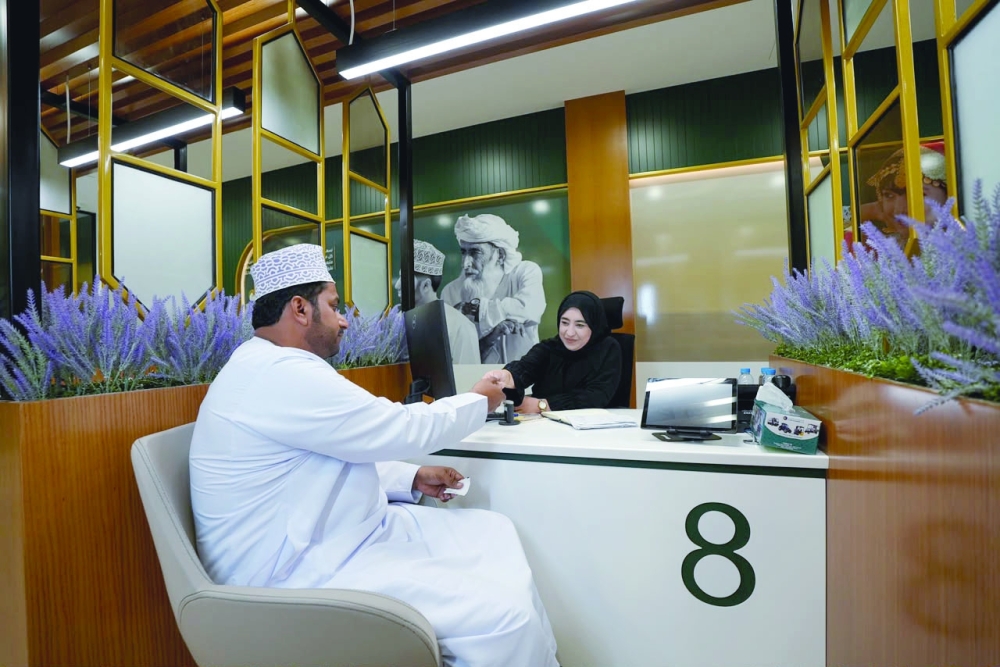
Physical service departments across the governorates remain essential, particularly for people who need direct assistance, clarification or additional support.
The Fund is therefore working towards an integrated service model in which digital platforms, call centres, local service departments and field teams complement one another.
Proactive outreach is another key component. Field visits and awareness activities in Al Wusta and Musandam governorates, conducted in coordination with local governorate offices, have enabled the Fund to engage directly with citizens, understand their concerns and identify difficulties in accessing social protection services.
The aim, Al Hashmi said, is to move away from a model in which beneficiaries must approach service outlets themselves and towards one in which the Fund identifies their needs and reaches them through appropriate channels.
The SPF’s efforts to improve customer experience have also been reflected in institutional performance assessments. Nine of its service outlets were recognised among distinguished outlets at governorate level in 2024, with the same number recorded in 2025. The Fund was also recognised among the distinguished entities in the Customer Satisfaction Award under the Government Institutional Excellence framework in 2025.
In July 2026, the Fund obtained international certification for integrated management systems across all its regional branches. The certifications covered ISO 9001:2015 for quality management, ISO 10002:2018 for complaints handling and ISO 18295:2017 for contact centre operations.
Together, these standards support a structured approach to service quality, complaint management and customer communication.
The SPF also received three Certificates of Merit from the International Social Security Association (ISSA) at the World Social Security Forum 2025 in Kuala Lumpur, recognising its practices in contribution collection and compliance, service quality, and human resource management.
Beyond direct service delivery, the Fund is seeking to expand its community impact through initiatives such as the Mazaya programme, which provides services and benefits to selected beneficiary groups in cooperation with partners.
The initiative highlights the role of community partnerships in supporting beneficiaries and improving their quality of life.
Looking ahead, Al Hashmi said the Customer Forum would remain part of an ongoing cycle of consultation, analysis, service development and performance measurement.
“The best service is not simply one that reaches the beneficiary. It is one designed around their needs, improved through their feedback and measured by the quality of their experience,” he said.
Oman Observer is now on the WhatsApp channel. Click here